




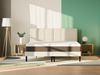


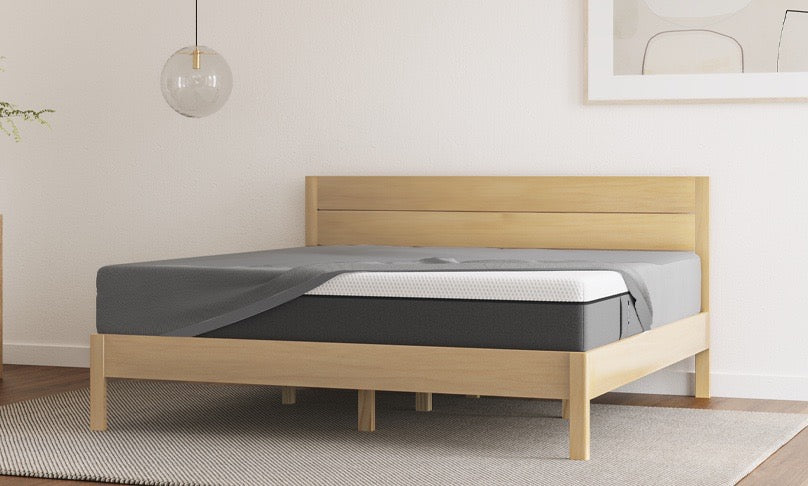


Imagine this: It’s midnight, you’ve had a long day at work, and you’re finally in bed. Instead of drifting off, your mind replays that meeting, tomorrow’s tasks, or a conversation that bothered you. Out of habit, you grab your phone, scroll through social media, and before you realize it, another hour is gone. You turn off the lights, but sleep doesn’t come easy and when it does, it feels light and restless.
This cycle is more common than we think. Stress and screen time are two of the biggest reasons why sleep quality has declined in modern lifestyles. Add to this the wrong sleeping surface, and it’s no wonder so many people wake up tired despite spending hours in bed.
Stress: Carrying the Day Into the Night
Our minds don’t have a pause button. When stress levels are high, the body stays in an “alert” mode. You may lie down, but your mind is still racing.
a. Overloaded thoughts → deadlines, family responsibilities, finances
b. Restlessness → tossing and turning instead of slipping into deep rest
c. Light sleep → even small disturbances wake you up
Stress doesn’t just steal sleep hours it steals the quality of your sleep. This is why waking up tired is such a common complaint. A calm routine before bed and a supportive mattress that reduces physical tension can together make winding down easier.
Screen Time: The Quiet Disruptor
Screens have become bedtime companions for many. But the cost is higher than it looks.
a. Blue light effect: Phones and laptops confuse the brain into thinking it’s still day, delaying the natural sleep cycle.
b. Mental stimulation: Scrolling social feeds, emails, or watching videos keeps the brain active long past bedtime.
c. Interrupted rest: Notifications and vibrations disturb sleep cycles.
The combination of overstimulation and poor body support often leads to shallow, fragmented sleep.
Why Mattress Comfort Also Matters
Even if you reduce stress and cut down on screen time, a worn-out or unsupportive mattress can undo all your efforts. When the body doesn’t feel supported, you toss and turn more, which amplifies stress and keeps your mind alert.
A good mattress helps in three ways:
a. Relieves pressure: Orthopedic designs reduce stiffness in the back and shoulders.
b. Supports posture: Proper alignment prevents waking up with aches that add to stress.
c. Regulates temperature: A breathable surface keeps you cool, reducing discomfort that can worsen when you’re already restless.
Think of your mattress as the stage on which sleep habits perform. If the stage is weak, the performance suffers no matter how well-prepared you are.
Breaking the Cycle: Stress, Screens, and Sleep
Here’s how you can reset your nights:
a. Set boundaries: Create a digital cut-off at least 45 minutes before bed. Replace scrolling with reading, journaling, or light stretching.
b. Evening wind-down: Build a small ritual, a warm shower, a few deep breaths, or calming music. This tells your mind it’s time to rest.
c. Bedroom reset: Keep your room cool, dark, and quiet. Pair this with a high-quality mattress so your body feels instantly at ease.
d. Consistency: Train your body clock by keeping sleep and wake-up times fixed, even on weekends.
Each small change reduces the grip of stress and screens, and combined with a comfortable sleeping surface, you’ll notice real improvement in sleep quality.
Final Thoughts
Stress is part of life, and screens are here to stay. But the way we manage them decides whether they will steal our nights or not. Cutting down on late-night scrolling, releasing stress before bed, and sleeping on a supportive, breathable mattress can help break the cycle.
Good sleep is not about hours alone, it's about how deeply you rest. And that starts with what you let into your mind and how you treat your body at night.
FAQs
Q1. Can stress really stop you from sleeping deeply?
Yes. Stress keeps the brain alert, preventing you from relaxing fully. Even if you sleep, the rest feels light and incomplete. Relaxation techniques and a supportive mattress that eases body tension can help.
Q2. Is screen time before bed always harmful?
Using screens at night delays sleep because of blue light and mental stimulation. Reducing usage 30–60 minutes before bed allows the brain to naturally release melatonin, making it easier to fall asleep.
Q3. How can a mattress help when stress and screens disturb sleep?
While a mattress can’t remove stress or stop notifications, it ensures the body is relaxed, aligned, and free from extra discomfort. This physical ease helps the mind switch off faster, making it easier to achieve better sleep quality.