







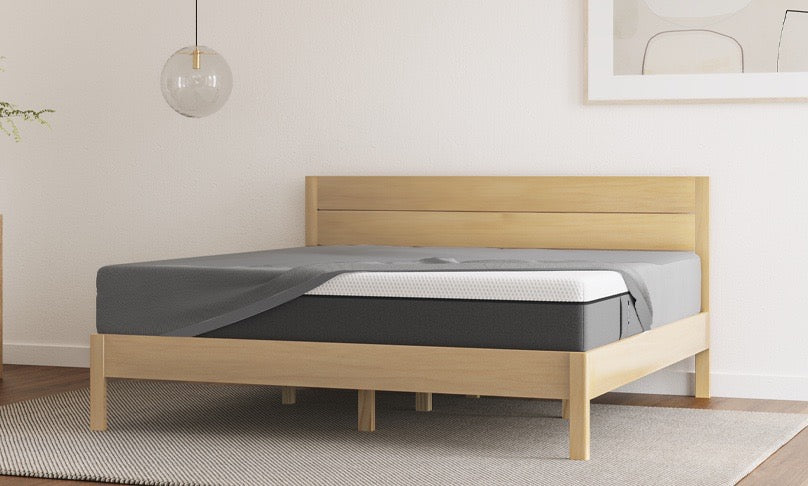


Getting enough hours of sleep doesn’t always mean you’ll wake up refreshed. Many people spend 7–8 hours in bed but still feel tired in the morning. The reason often lies in the lack of deep sleep, the most restorative stage of your sleep cycle, when the body repairs itself, memory is consolidated, and energy is restored.
The good news is that you don’t need complicated routines to sleep better. By making small, practical changes to your daily lifestyle, you can create the right conditions for deeper, more restful sleep. Here are 7 proven tips to help you improve deep sleep naturally.
1. Stick to a Consistent Sleep Schedule
One of the simplest but most effective deep sleep tips is to go to bed and wake up at the same time every day. Your body works best when it follows a rhythm.
a. Fix a bedtime and wake-up time, even on weekends.
b. Early morning sunlight exposure helps your internal clock stay on track.
c. Avoid frequent late-night sleeps and long weekend naps that disturb this cycle.
A consistent routine signals your body that it’s time to rest, making it easier to enter deep sleep.
2. Create a Sleep-Friendly Environment
Your surroundings have a direct impact on how well you sleep. A cluttered or noisy room often prevents you from reaching deeper stages of rest.
a. Keep your room cool in summers.
b. Block outside light with blackout curtains or eye masks.
c. Reduce disturbances by using earplugs or calming background sounds.
d. Ensure your bed setup supports you well; a comfortable mattress and pillow can make all the difference in maintaining healthy sleep posture.
A clean, calm bedroom creates the perfect atmosphere for restorative sleep.
3. Be Mindful of Caffeine and Evening Stimulants
Caffeine, found in tea, coffee, and energy drinks, is one of the biggest disruptors of deep sleep. Its effects can last for several hours and interfere with your ability to relax at night.
a. Avoid caffeine after late afternoon.
b. Opt for calming herbal teas like chamomile if you want a warm drink before bed.
c. Keep an eye on hidden caffeine sources such as chocolate or sodas.
Limiting stimulants in the evening makes it easier to fall asleep and stay asleep.
4. Move Your Body During the Day
Regular movement not only keeps you fit but also improves sleep quality. People who stay active often fall asleep faster and spend more time in deep sleep.
a. Try to get at least 30 minutes of light to moderate activity daily.
b. The best time for exercise is morning or early evening.
c. Avoid heavy workouts right before bedtime as they can increase alertness.
Gentle stretching or yoga before bed, however, can relax your muscles and prepare you for rest.
5. Watch Your Evening Meals
Your diet has a surprising impact on sleep. Eating too much or too late can cause indigestion or discomfort that prevents deep rest.
a. Finish dinner at least 2–3 hours before sleeping.
b. Avoid heavy, spicy, or oily food at night.
c. Include light, sleep-friendly snacks if needed such as bananas, nuts, or warm milk.
d. Limit alcohol, as it may help you doze off but reduces the amount of restorative deep sleep.
Balanced evening meals ensure your body is comfortable and ready for rest.
6. Reduce Screen Time Before Bed
The blue light from phones, laptops, and TVs can make your brain think it’s still daytime. This delays melatonin production, the hormone that helps you fall asleep.
a. Try switching off devices at least 1 hour before bed.
b. Use a book, calming music, or meditation as part of your nightly routine instead.
c. If device use is unavoidable, turn on night mode or wear blue-light blocking glasses.
This small change can dramatically improve your sleep quality.
7. Relax Your Mind and Body Before Sleeping
Stress and overthinking are common reasons people can’t fall into deep sleep. Creating a bedtime ritual that calms your mind is extremely effective.
a. Try deep breathing, meditation, or progressive muscle relaxation.
b. Journaling before bed helps clear worries from your mind.
c. A warm shower can relax the body and signal it’s time to sleep.
When your mind feels calm, slipping into deep sleep becomes much easier.
Bonus: The Role of Sleeping Position
Along with lifestyle habits, your sleeping position plays a key role in sleep quality.
a. For back pain: Sleeping on your back with a pillow under your knees, or on your side with a pillow between the knees, helps maintain spine alignment.
b. For snoring and breathing: Side sleeping keeps airways open and reduces snoring.
c. For overall comfort: A position that keeps your spine neutral prevents tossing and turning, helping you stay in deep sleep longer.
Choosing the best sleeping position for your body ensures healthier rest.
Final Thoughts
Improving deep sleep doesn’t require drastic changes. By following these simple, science-backed tips sticking to a routine, optimizing your bedroom, staying active, eating light, reducing screen time, and keeping stress under control you can give your body the best chance to recover every night.
Remember, sleep is not just about quantity but quality. Prioritizing deep sleep means prioritizing your health, energy, and overall wellbeing.
FAQs
Q1. What is the most effective way to improve deep sleep naturally?
A: The most effective ways include sticking to a fixed sleep schedule, keeping your bedroom cool and dark, reducing evening screen time, and using a comfortable mattress that supports proper posture. These small lifestyle changes help your body relax into deep sleep.
Q2. Can sleeping position affect back pain and sleep quality?
A: Yes. Poor posture during sleep often leads to stiffness or back pain. The best sleeping positions include back sleeping with a pillow under the knees or side sleeping with a pillow between the knees. Both reduce pressure and support spinal alignment.
Q3. How many hours of deep sleep do I need each night?
A: On average, adults spend about 20–25% of their sleep in deep sleep. This usually comes to 1.5–2 hours per night. While you can’t control the exact amount, creating the right habits and environment ensures your body naturally gets enough restorative deep sleep.
